Cart
0
You might also like



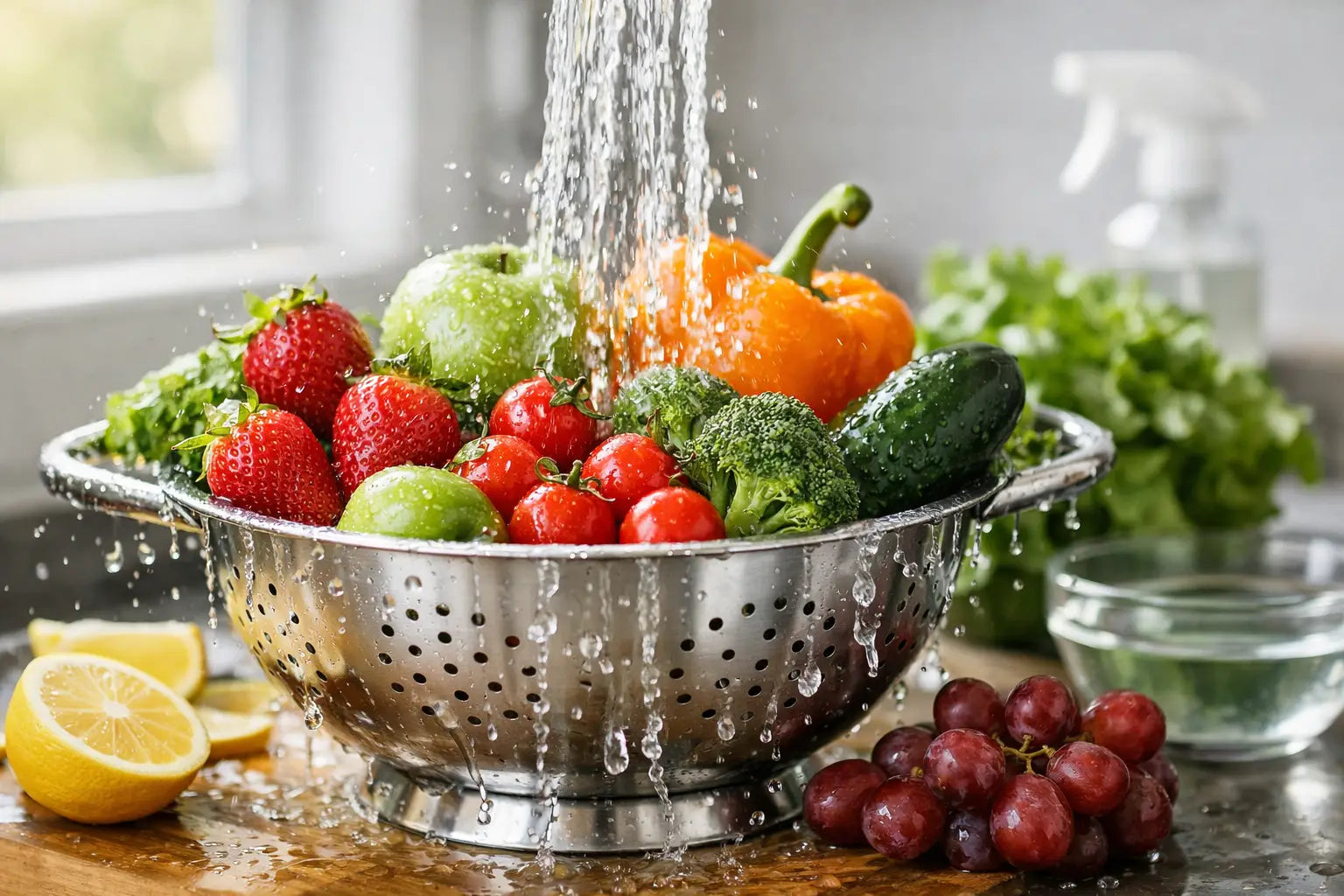
You rinse your grapes, lettuce, or apples under the tap and assume that is enough. Sometimes it is a decent first step. But if you have ever wondered what is fruit and vegetable wash, you are really asking a bigger question: how clean is clean enough when you are feeding yourself or your family?
That question matters because produce can carry more than visible dirt. Depending on where it came from and how it was handled, fruits and vegetables may have pesticide residues, waxes, soil, bacteria, and other surface impurities. Water helps, but it does not always address everything people worry about. Fruit and vegetable wash is meant to give you a stronger clean and more peace of mind.
Fruit and vegetable wash is any cleaning method or product specifically used to clean fresh produce more thoroughly than a quick rinse with water alone. The goal is to reduce unwanted residues and surface contaminants before you eat, cook, or store your food.
That broad definition includes a few different types of solutions. Some are liquid produce washes sold in bottles. Some rely on soaking produce in specially treated water. Others use food-cleaning devices that change the properties of water through technology such as electrolysis, creating a wash that is designed to help lift away pesticides, bacteria, and impurities.
The key idea is simple: fruit and vegetable wash is not about making produce look cleaner only. It is about improving food hygiene in a practical, everyday way.
Most people are not using a produce wash because they are trying to be perfect. They use it because fresh food passes through many hands and environments before it reaches the kitchen.
Produce may be grown in soil, sprayed in the field, packed in warehouses, transported in trucks, handled in stores, and then brought home in grocery bags. Even organic produce can still carry dirt, microbes, and residues from harvesting and handling. Washing is one of the last steps you control.
For many households, that is the real appeal. A fruit and vegetable wash adds a layer of protection without making healthy eating harder. It fits especially well for families who buy fresh berries, leafy greens, apples, cucumbers, peppers, and other items that are often eaten raw.
The answer depends on the type of wash, the produce itself, and how long you clean it. No wash removes every possible contaminant, and any brand that suggests total removal of everything deserves a closer look.
Still, a good fruit and vegetable wash may help reduce surface pesticide residues, dirt, dust, waxy buildup, and some bacteria on the outside of produce. That can be especially useful for foods with textured skins or layered leaves where residues may cling more stubbornly.
It is also worth separating visible cleanliness from actual food hygiene. A shiny apple can still have residues on the surface. A head of lettuce can look fresh while holding grit and bacteria between the leaves. That is why many people move beyond a quick rinse and want a more effective washing step.
Different products work in different ways.
Traditional bottled produce washes usually rely on surfactants or cleaning agents that help loosen dirt, residues, and surface films so they can be rinsed away. They are often sprayed directly onto produce or mixed with water for soaking.
Other systems use electrolyzed water. In simple terms, electricity changes the water in a way that helps it clean more effectively. This kind of wash is designed to break down or lift away contaminants on the food surface without relying on heavy soaps or complicated steps.
That distinction matters because convenience often determines whether people actually use a cleaning method consistently. If a process feels messy, slow, or hard to trust, it tends to get skipped on busy weeknights.
Sometimes water is better than people give it credit for. Rubbing firm produce under running water can remove a meaningful amount of dirt and some surface residues. If you are washing something like potatoes, apples, or cucumbers, a thorough rinse is certainly better than doing nothing.
But water has limits. It may not remove as much waxy residue or pesticide buildup as people want, especially on produce with uneven surfaces or tight crevices. Leafy greens, berries, broccoli, and grapes can be harder to clean well with a quick rinse alone.
That is where fruit and vegetable wash becomes appealing. It gives households a more intentional cleaning step, especially when food is going straight into lunchboxes, salads, or snack bowls.
A produce wash is not a magic shield. It does not turn spoiled food into safe food. It does not replace refrigeration, proper storage, or safe handling in the kitchen. And it does not sterilize produce in a way that guarantees zero risk.
It is also not a reason to ignore basic food safety habits. You still want clean hands, clean cutting boards, and separation between fresh produce and raw meat. Washing is one part of a safer food routine, not the whole routine.
That said, one practical advantage of some modern food-cleaning devices is versatility. Certain systems are designed not only for fruits and vegetables but also for cleaning meats and seafood, which can make them feel more useful in a busy kitchen.
It depends on what you buy and how you eat.
If you peel bananas, oranges, or avocados, produce wash may feel less essential, although the outer surface can still transfer dirt or residues onto your hands or knife. If you eat a lot of raw produce, especially thin-skinned fruits or leafy vegetables, the value is usually easier to see.
Families with young children often prefer a stronger cleaning routine because produce becomes a direct, frequent part of snacks and lunches. The same goes for wellness-minded adults who are already paying attention to ingredients, sourcing, and chemical exposure.
For many households, the best approach is not obsession. It is consistency. A simple system you actually use every day is usually more helpful than a perfect method you rarely bother with.
If you are choosing a produce wash, the first thing to ask is whether it is easy enough for real life. A good solution should fit naturally into meal prep, not add friction.
You also want clarity. What is the wash designed to remove? How long does it take? Does it leave behind anything on the produce? Is it suitable for a wide range of foods? Those questions matter more than flashy marketing.
Some shoppers prefer bottled washes because they are familiar. Others prefer appliance-based cleaning systems because they reduce the need to keep rebuying sprays and can offer a more modern, repeatable cleaning process. For health-conscious households, that second option often feels closer to prevention than simple convenience.
This is one reason electrolytic cleaners have become more interesting to consumers. They are built around a straightforward promise: help remove pesticide residues, bacteria, and impurities in a way that is quick and easy enough to use daily. For a brand like KSD Market, that promise is less about adding another gadget and more about giving families a smarter food hygiene habit.
One common misconception is that organic produce does not need washing. It does. Organic farming may reduce certain chemical concerns, but it does not remove dirt, bacteria, or handling-related contamination.
Another misconception is that homemade rinses are automatically just as effective as purpose-built produce washes. Sometimes vinegar or baking soda is used at home, and those methods may help in certain situations. But results vary, and they are not always the most convenient or consistent option.
There is also the belief that if a fruit or vegetable looks clean, it is clean enough. That is understandable, but appearance tells only part of the story. Many of the things people worry about most, like residue or bacteria, are not easy to see.
For some people, plain water feels sufficient. For others, especially families serving fresh produce every day, a fruit and vegetable wash is worth it because it adds reassurance without much extra effort.
That is really the deciding factor. If you care about reducing what stays on the surface of your food, and you want a simple routine that supports healthier eating at home, produce wash can be a practical step. Not because fear should drive your kitchen, but because confidence should.
Fresh food should feel like the healthy choice all the way to the plate. When washing produce becomes quick, reliable, and easy to repeat, eating well feels safer and simpler at the same time.

